A Window-Led Film Night for a Rainy Evening
A window-led film night turns rainy weather into a close look at film design, helping you notice how glass, framing, light, and sound shape a scene.
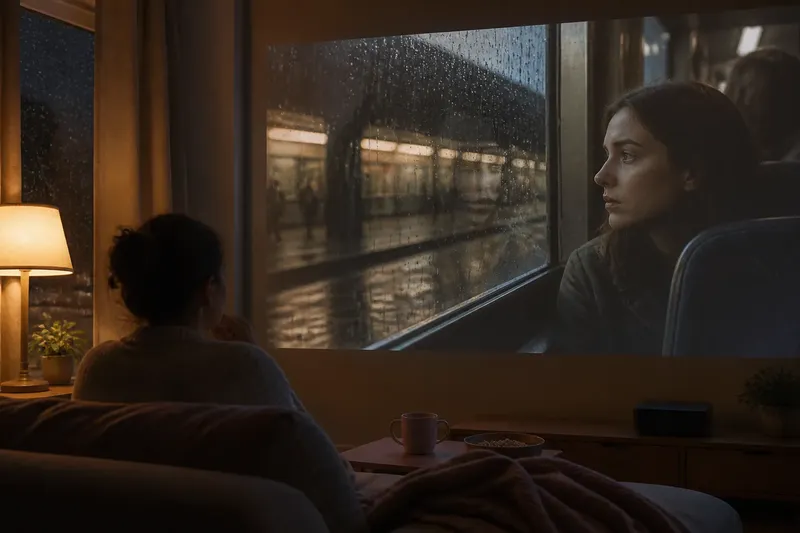
A window-led film night turns rainy weather into a close look at film design: choose a film with a prominent window and follow how framing, light, and sound shape the scene. The glass may split the image, but the more useful question is what the filmmakers make visible—and what they leave unresolved.
Pick one viewing thread rather than trying to interpret every pane. You might track reflections, the way characters move through a room, or how the exterior is composed. That gives the evening focus without turning it into a scavenger hunt for windows.
What does a window contribute to film design?
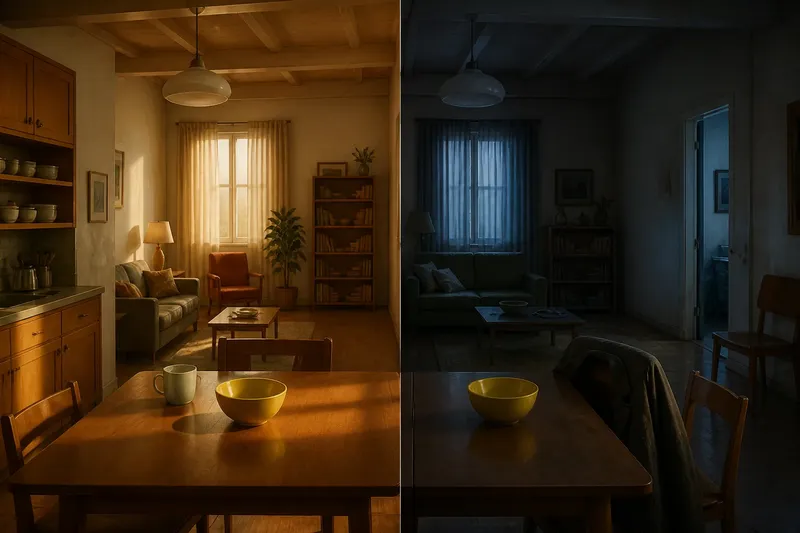
A window is part of the set and a tool for arranging attention. Its frame can divide the composition; a pane can catch a face over a street; curtains can make an opening feel private. Rain changes the surface again, softening detail and scattering light.
Notice the framing around the window, not only the view through it. A character placed at the edge of the image may feel marginal to the room, while a grid of panes can impose order or confinement. Blocking, lens position, costume contrast, and light direction all affect how clearly those choices register.
For comfortable viewing, place lamps where they do not reflect in the screen. A light beside or behind your seat can illuminate the room without adding a bright patch to the image. No special equipment is needed; the rain can manage the atmosphere.
How should you follow reflections?
Reflections reward patient looking because they layer one image over another. Watch which details stay legible: a face, a passing street, or the room behind the camera. The balance can direct attention without making the meaning explicit.
Imagine you choose a film scene showing a passenger beside a rain-streaked train window. At the start, the countryside is clear and the passenger’s reflection faint; as the train passes a lit station, the face becomes more visible. Following that change gives you a concrete observation: the scene shifts attention from travel outside to the passenger inside, without requiring a single fixed interpretation.
If the layers are hard to read, note the visual change rather than trying to solve it. Sometimes ambiguity is the point, not a clue waiting to be decoded.
What makes a window feel like a boundary?
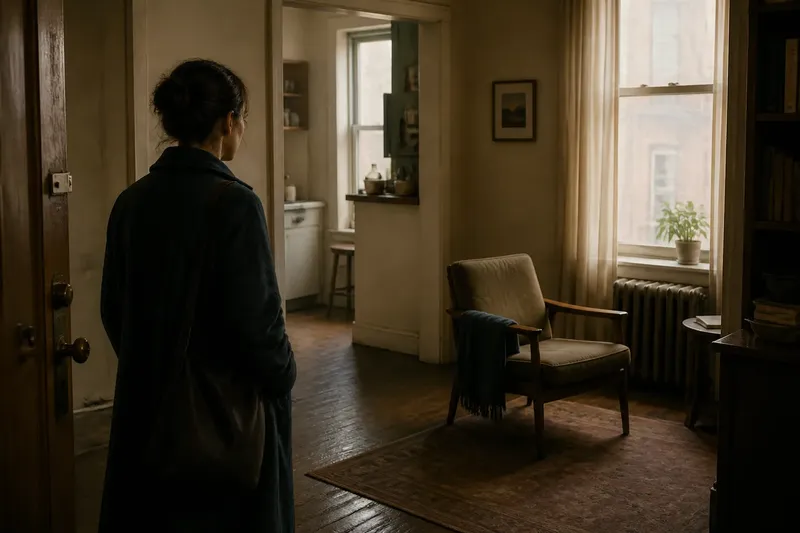
Track how characters use the room around it. Someone who approaches the glass and stops has made a different choice from someone who opens it or leaves by a nearby door. The camera may follow that movement, or hold its position and let the character move out of frame.
Small design details alter the sense of access. A locked sash, a heavy curtain, or a strip of bright hallway can make the same opening feel restrictive, private, or connected to another space. Costume and lighting help direct the eye: a pale sleeve against a dark frame can make a reaching hand conspicuous, while a shadowed face can keep attention elsewhere.
For a quiet scene, watch what changes in the room before anyone speaks. A shift in position or a hand on the curtain may carry more weight than a line of dialogue.
How does a film make the exterior feel present?
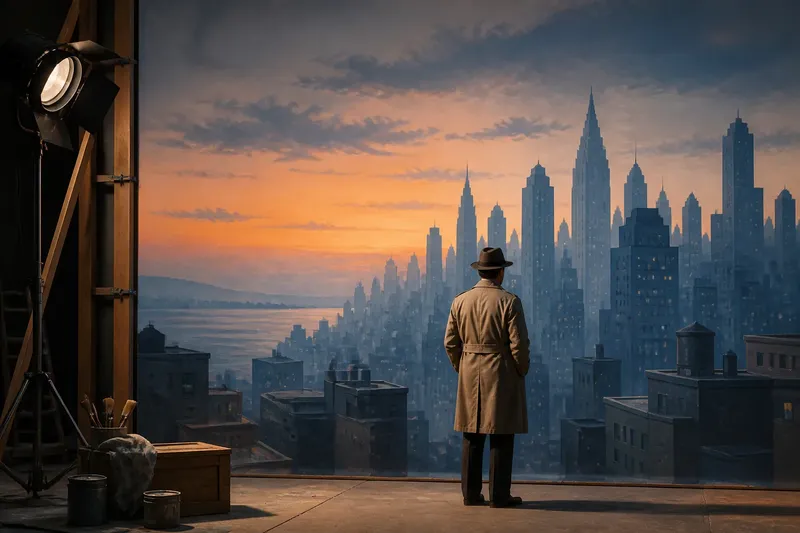
The view beyond the glass may be a street, a backdrop, a projection, or a controlled patch of scenery. You do not need to identify how it was made to see what it does in the image. Is the exterior busy, distant, empty, or deliberately hard to place?
Compare its light and color with the interior. A warm room against a cool exterior can suggest shelter, or make the outside look inviting. At night, scattered city lights may function as a pattern rather than a readable location. Sound adds another cue: traffic, wind, or rain can make a barely visible place feel close, while silence can make a clear view feel remote.
Look at the exterior as part of the film’s world-building, not as a separate landscape shot. Its scale, color, and sound tell you how much space the scene grants beyond the room.
What questions help you read a window scene?
What does a reflection change in the composition?
Notice whether it adds a face, another room, or movement outside the frame. Then check which layer remains easiest to see as the shot continues.
What changes when a character moves away from the window?
The camera may follow, hold on the empty space, or redirect attention to another person. That choice shows whether the window was central to the scene’s composition or simply part of the room.
How does rain alter what the audience can see?
Rain may soften the exterior, scatter points of light, or leave some details sharp while obscuring others. Compare the visible view with the sounds and actions that suggest what lies beyond it.
Does the exterior seem like part of the scene or a distant image?
Look for how its color, brightness, and sound relate to the room. A view can be visually clear yet still feel remote if the scene offers no movement or sound connecting the spaces.
How can you choose a viewing thread?
Start with the kind of visual attention you want to give the film, then use what the scene actually offers:
- Reflection: Check whether faces or interior details overlap the exterior. If two layers remain visible, follow which one gains emphasis; if the pane is mostly clear, shift to framing or movement.
- Character movement: Check whether someone approaches, opens, or leaves the window. If the action changes the composition, follow that shift; if no one moves, watch how the camera places the figure instead.
- Exterior design: Check whether the view has distinct scenery, lights, or activity. If it does, notice how color and sound connect it to the room; if it stays vague, consider how that uncertainty shapes the setting.
- Weather: Check whether rain or condensation changes visibility. If it obscures the view, track which details remain; if it does not, follow the other visual or sound cues.
- Screen reflections: Check the image from your usual seat with the room lights on. If a lamp or window appears on screen, reposition that light or close the curtain; if no reflection is visible, leave the setup as it is.
- Viewing notes: Check whether a short description captures what held your attention. If it does, keep it for comparison with the next film; if it turns into a plot summary, reduce it to one visual detail.
Say you have two films available: one still shows a face reflected over a city street, while the other shows a broad landscape through a bright window. You choose the first and set the room lamp beside the sofa, where it does not reflect in the screen. In the film, the reflection stays faint until the character turns toward the glass; you note that the face becomes clearer at that moment. The result is a specific observation about changing emphasis, not a claim that the scene has only one meaning. If the reflection never becomes legible, the alternative is to follow the character’s movement or the exterior’s color instead.
A window-led film night works best when one clear observation is enough. Let the film’s choices guide your attention, and leave the rest of the evening to the rain outside the screen.